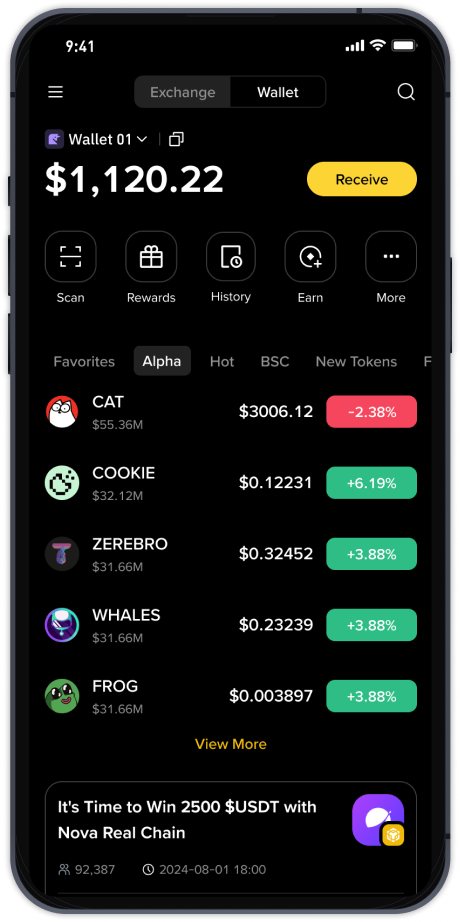
Binance Exchange Guide: How to Trade, Stake & Withdraw Safely in 2025
Binance remains the world’s leading cryptocurrency exchange by trading volume, offering a comprehensive platform for both beginners and professional traders. Whether you are looking to buy Bitcoin, stake Ethereum, or explore decentralized finance, understanding how to navigate Binance efficiently is essential for maximizing returns and minimizing risks.
First, account security should be your top priority. Binance provides multiple layers of protection, including two-factor authentication (2FA) via Google Authenticator or SMS, withdrawal whitelist, and anti-phishing codes. Enabling these features significantly reduces the risk of unauthorized access. Additionally, Binance’s Secure Asset Fund for Users (SAFU) provides an extra layer of insurance against extreme security breaches, which is a key differentiator from smaller exchanges.
For traders, the platform offers both a basic interface and an advanced trading view with real-time charts, order books, and multiple order types such as limit, market, stop-limit, and OCO (one-cancels-the-other). Binance also supports margin trading and futures contracts with up to 125x leverage, though these products carry high risk and should only be used by experienced traders. The “BNB” token, Binance’s native cryptocurrency, can be used to pay trading fees at a discounted rate, making frequent trading more cost-effective.
Beyond trading, Binance has expanded into staking, savings, and launchpad. Through Binance Earn, users can stake various proof-of-stake assets like Ethereum, Solana, and Cardano to earn passive income at competitive annual percentage yields (APY). The flexible savings product allows you to deposit and withdraw funds anytime, while locked savings offer higher rates for fixed-term commitments. Binance Launchpad also provides early access to new blockchain projects, though strict Know Your Customer (KYC) verification is required to participate.
Withdrawals on Binance are straightforward, but users should be aware of network fees and minimum withdrawal amounts. Always double-check the withdrawal address and network type—sending funds via the wrong network (e.g., BEP20 to ERC20) can result in permanent loss. For large withdrawals, consider testing with a small amount first.
In 2025, Binance continues to face regulatory scrutiny in various jurisdictions. Users should verify their local legal status before trading, and consider using Binance’s fiat on-ramp services only through compliant channels. Despite the regulatory landscape, Binance’s liquidity, wide range of supported coins (over 600), and robust API make it the go-to exchange for serious crypto enthusiasts.
Ultimately, success on Binance depends on combining technical analysis with proper risk management. Stay updated on platform announcements, set stop-loss orders, and never invest more than you can afford to lose. With the right precautions, Binance can be a powerful tool for building and managing your digital asset portfolio.