How to Use the Beta Version of Binance Exchange: A Step-by-Step Guide for Beginners

Binance is one of the largest and most popular cryptocurrency exchanges in the world, and its beta version often serves as a testing ground for new features and improvements before they are rolled out to the public. If you are new to crypto trading or simply want to explore the beta version of Binance, this guide will walk you through the essential steps. Understanding how to use the beta version can give you early access to innovative tools, but it also comes with certain risks and differences compared to the standard platform.
First, you need to access the beta version of Binance. Typically, Binance offers a beta environment through a separate URL or a toggle within the main interface. You can usually find the beta option by logging into your Binance account and looking for a “Beta” button or a link that says “Try the new version.” In some cases, Binance may announce the beta launch through official announcements or emails. It is crucial to ensure that you are using the official Binance website to avoid phishing scams.
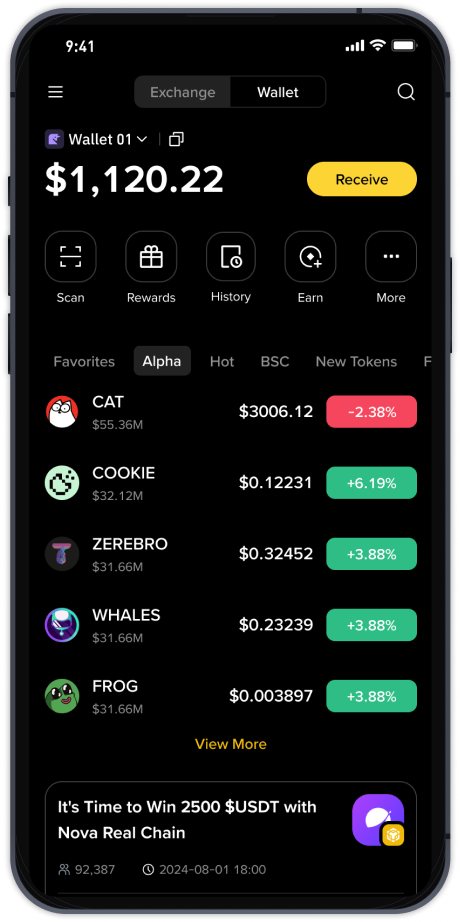
Once you are on the beta interface, the layout may appear different from the classic version. The beta version often features a more modern design, improved navigation, and additional trading tools. For example, you might see new charting options, order types, or a simplified dashboard. Spend a few minutes familiarizing yourself with the interface. Look for the “Wallet,” “Trade,” and “Markets” sections, as these are the core areas for managing your funds and executing trades.
To start trading, you will need to deposit funds. In the beta version, the deposit process is usually similar: go to the “Wallet” section, select “Deposit,” and choose the cryptocurrency or fiat currency you want to deposit. Copy the deposit address or use the provided QR code. Remember that beta versions may have occasional glitches, so double-check the deposit address before sending any funds. It is wise to start with a small amount to test the process.
After funding your account, navigate to the “Trade” tab. In the beta version, you may encounter a spot trading interface that is more user-friendly or packed with advanced features. You can choose between “Basic” and “Advanced” trading modes. Basic mode is ideal for beginners, offering a simple buy/sell interface. Advanced mode provides detailed charts, order books, and order types like limit, market, and stop-limit orders. Place your first order by selecting a trading pair (e.g., BTC/USDT), entering the amount, and clicking “Buy” or “Sell.”
The beta version may also include experimental features such as mobile optimization, dark mode, or AI-assisted trading suggestions. While these can enhance your experience, they are still being tested and may contain bugs. If you encounter any issues, such as delayed order execution or display errors, report them through Binance’s feedback system. This helps the development team improve the platform.
Security is a top priority when using any beta version. Enable two-factor authentication (2FA) on your Binance account before you start trading. Additionally, avoid storing large amounts of cryptocurrency in the exchange wallet; only keep what you need for active trading. The beta environment is generally safe, but it is always better to err on the side of caution.
If you decide to switch back to the standard version, you can usually do so by clicking a “Classic” or “Switch to old version” button located in the settings or user menu. Your account balance and trading history will remain unaffected, as both versions are linked to the same account.
In conclusion, using the beta version of Binance is an excellent way to experience new features before they become mainstream. By following the steps above—accessing the beta interface, depositing funds, exploring the trading tools, and prioritizing security—you can navigate the platform confidently. Remember that beta versions are works in progress, so patience and cautious trading are key. Whether you are a seasoned trader or a curious beginner, the Binance beta version offers a glimpse into the future of crypto trading.