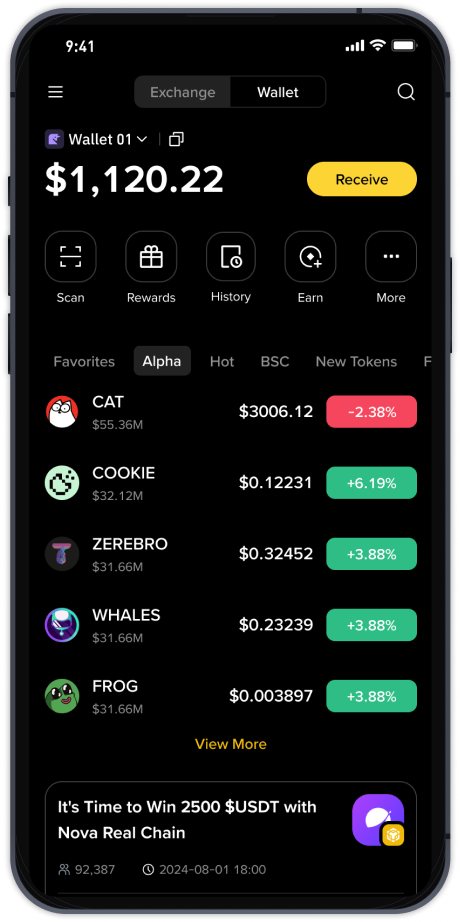
How to Operate a Spot Exchange with Commission Rebates: A Beginner's Guide

Spot exchanges that offer commission rebates have become increasingly popular among traders looking to reduce their trading costs. A commission rebate, often referred to as a "cashback" or "fee discount," allows traders to recover a portion of the trading fees they pay. This model is common in both cryptocurrency and forex spot trading platforms. But how exactly does it work, and what steps do you need to follow to operate such an exchange effectively?
First, it is essential to understand that commission rebates are typically offered through two channels: direct exchange rebates or third-party rebate programs. In a direct rebate system, the exchange itself returns a fixed percentage of the trading fee to the user based on their trading volume or membership tier. For example, a spot exchange might charge a 0.1% trading fee but refund 20% of that fee to active traders. This is often implemented automatically, meaning you do not need to take any extra action beyond signing up and trading.
If you are using a third-party rebate platform, the process is slightly different. You usually need to register for a rebate account through a referral link provided by the rebate service. Once your account is linked, every trade you execute on the spot exchange will generate a rebate payout, which is then credited back to your wallet by the third-party service. It is crucial to verify that the rebate platform is reliable and compatible with your chosen exchange.
To begin operating on a spot exchange with rebates, follow these steps: 1) Choose a reputable exchange that supports rebates, such as Binance, OKX, or Bybit. 2) If using a third-party rebate service, create an account through their referral link. 3) Complete your identity verification (KYC) as required by the exchange. 4) Deposit funds into your spot wallet using fiat or cryptocurrency. 5) Start trading spot pairs like BTC/USDT or ETH/USDT, and the rebate will accumulate based on your trading activity.
One key operational tip is to monitor your rebate rate. Some exchanges offer tiered rebates: the more you trade, the higher the rebate percentage. For instance, a trader with a monthly volume of $1 million might receive a 30% rebate, while a lower-volume trader might only get 10%. Exchanges also sometimes refund rebates in the form of native tokens (e.g., BNB or OKB), which can add an extra layer of value if those tokens appreciate.
Another important aspect is the withdrawal of rebate funds. On most platforms, rebates are credited to your funding wallet or a separate "rebate wallet." You can typically withdraw these funds at any time, though some exchanges require a minimum threshold (e.g., $10 worth of rebate tokens) before you can cash out. Always check the exchange's policy on rebate lock-up periods to avoid surprises.
Finally, be aware of potential risks. While rebates can lower your trading costs, they should not be the sole reason for choosing an exchange. Always prioritize factors like liquidity, security, and regulatory compliance. Some low-tier exchanges offer high rebates but lack proper security measures, which can put your funds at risk. Stick to established platforms with transparent rebate structures.
In summary, operating a spot exchange with commission rebates is straightforward once you understand the rebate mechanism, choose the right platform, and consistently monitor your trading volume and payouts. By using rebates strategically, you can effectively lower your overall trading expenses and improve your profitability.